
Whoa!
If you use Solana at all, you probably bumped into Phantom and thought, hmm—this looks slick. Many people I chat with call it the browser wallet that finally feels like a mainstream app instead of a clunky crypto tool. My first impression was fast and clean, and my instinct said ‘this is the one,’ though actually I kept poking at it to see where it might break. I’ll be honest: some parts still bug me, but overall it nails the basic wallet UX that so many projects miss.
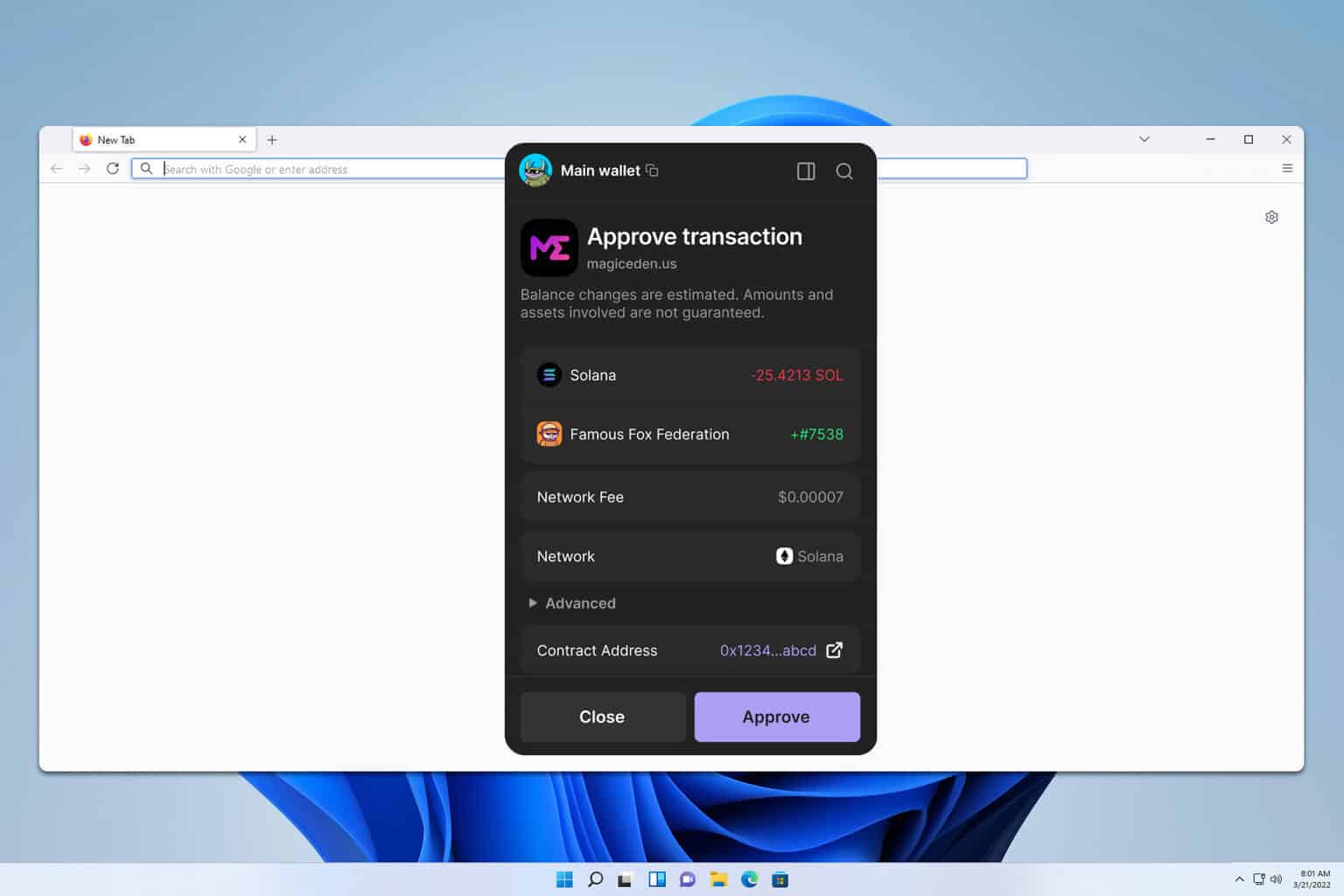
Phantom is a browser extension wallet for the Solana network that manages SOL, SPL tokens, and NFTs with a pretty neat UI. Initially I thought it was just a simple wrapper for transactions, but then I learned about its token swap, staking integration, and NFT viewers. Really?
Actually, wait—let me rephrase that: it’s both lightweight and surprisingly feature-rich, which creates a different risk-reward tradeoff than a cold storage setup. On one hand it makes onboarding easy for new users; on the other hand, browser extensions are inherently more exposed than hardware wallets, so you gotta be careful.
I use it every morning to check my NFTs and to sign tiny DeFi swaps when I’m on the go. Hmm… sometimes I open it while waiting for coffee in NYC and it just works—fast confirmations, low fees. Phantom also supports integrations with marketplaces and dApps, and its in-wallet NFT gallery is a real time-saver when you’re managing multiple collections. Some wallets try to do everything and end up doing nothing well, but Phantom keeps the core flows tight and adds niceties like price displays and token hiding. I’m biased, but for everyday Solana interactions it’s hard to beat the convenience.
Here’s the thing.
Seed phrases remain the ground truth and it’s very very important: if someone gets your seed, they get your funds, extension or not, so write it down offline and keep it hidden. Also, check the extension publisher when you install and avoid copying your phrase into websites, even if they look official. On the technical side, Phantom uses browser extension APIs and local encryption, but remember browser processes can be targeted by malicious extensions or scripts, and that risk is real. So yes, treat the extension like a door key—convenient, but worth locking up with good habits and extra layers like a hardware wallet when you move serious amounts.
Installing the extension is quick, usually via the Chrome Web Store or equivalent, but stores can be confusing and copycats exist. Wow!
My instinct said to always double-check the publisher and to look for community confirmation or official social handles before you click ‘add’—don’t rush. If you’re unsure, ask in a trusted Discord or Telegram channel, or check GitHub releases if the project links them—if somethin’ smells off, stop. And if you plan to use it across devices, remember that syncing or restoring requires your secret phrase, so plan backups ahead of time.
Get started safely
Quick note on where to get it safely.
Seriously?
If you want a straightforward place to start, here’s a resource I checked while researching—it’s an easy entry point and shows installation steps and screenshots for the browser add-on. You can find more details at phantom wallet download extension and use that to cross-check what you see in the stores. Don’t treat any single page as gospel, though; use it as one data point among community threads and official announcements.
NFT handling is where Phantom shines for me personally. Hmm…
It displays on-chain metadata cleanly, supports quick listings on supported marketplaces, and makes transfers almost painless, which matters when you’re moving dozens of little tokenized art pieces. However, not every marketplace standard is uniform, so sometimes images or attributes don’t show and you have to dig into the token account or metadata URI to understand what’s up. That extra bit of know-how pays off if you collect heavily.
Phantom supports Ledger for extra keys, and that’s the tradeoff I usually recommend when funds are significant. So?
Initially I thought Ledger integration would be clunky, but actually the flow is pretty smooth now, though you still need patience during firmware prompts and permission screens. Developers building on Solana love Phantom’s provider APIs because they reduce friction for users signing transactions, which speeds up adoption but also centralizes some UX expectations around how wallets behave. On the whole, I left the testing feeling cautiously optimistic—this is a strong tool for day-to-day NFT and token use, with some caveats I keep repeating because they’re real.
FAQ
Is Phantom safe for NFTs and tokens?
Hmm…
Phantom is reasonably safe for everyday use, especially with basic security hygiene like not sharing your seed phrase and reviewing transaction details before signing. But remember that browser extensions have a larger attack surface than hardware wallets or cold storage and that phishing sites aim to trick you into revealing credentials. Use Ledger if you’re holding high-value assets, and enable any available passcode or biometric lock features on the device you use. Still, for most people handling small to medium amounts and regular NFT activity, Phantom’s protections combined with smart habits are usually sufficient.
How do I recover my wallet?
Short answer: with your seed phrase, so guard it like a spare house key.
If you lose access to your browser profile, you can restore Phantom on a new browser or device by entering your 12 or 24-word phrase, depending on your setup. Pro tip: never paste your phrase into a website even if it’s asking for it, instead use the official extension restore flow. If you suspect compromise, move funds to a new wallet and consider hardware solutions for long-term storage. And hey, write it down in multiple secure locations—don’t be that person who says, ‘I’ll remember it’ and then doesn’t.
